

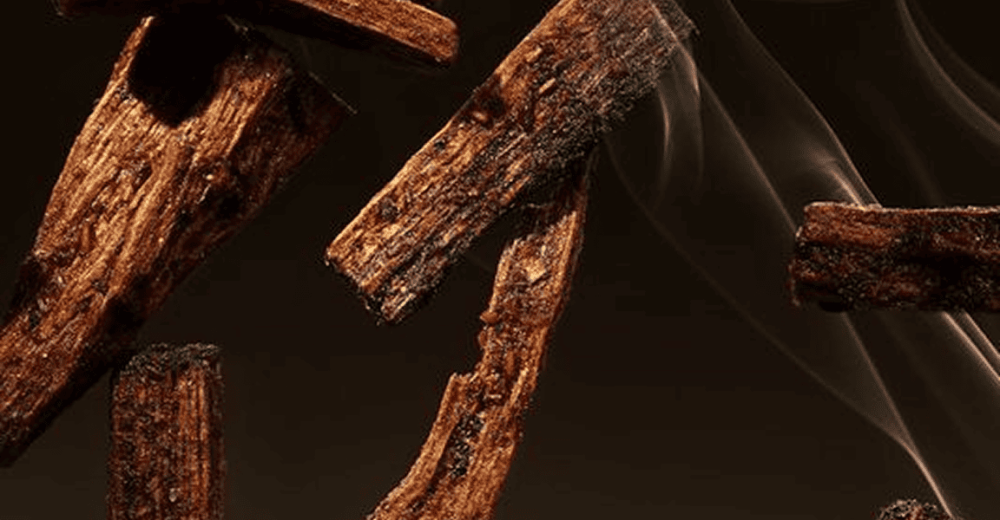
Oud is one of the most luxurious and authentic aromatic materials in the world and is considered a symbol of Eastern heritage and luxury. However, with the variety of products on the market, many people find it difficult to distinguish between natural oud and manufactured oud. In this blog, we will explain the main differences between them in terms of source, quality, scent, price, and usage, helping you make an informed decision when choosing the right oud.
What is Natural Oud?
Natural oud is an aromatic substance extracted from the heartwood of Aquilaria trees or other resinous trees that grow in Southeast Asia, such as India, Cambodia, Thailand, and Malaysia. This substance forms when the tree is infected by fungi or suffers natural damage, producing a fragrant resin as a defense mechanism. This resin is known as natural oud.
Features of Natural Oud:
- Scent: Deep, rich, and complex, with warm woody notes that develop over time. The aroma is completely natural and varies depending on the tree’s origin (e.g., Indian, Cambodian, or Malaysian oud).
- Quality: Extremely high, especially if graded as “Double Super” or “Triple Super.” It is rare due to the difficulty of obtaining it.
- Longevity & Sillage: Lasts for hours on clothing and furnishings, with a strong sillage that fills the space.
- Price: Very high due to its rarity and labor-intensive extraction. The cost per gram can reach hundreds or even thousands of Riyals.
- Usage: Used for special occasions, luxury gatherings, or as a prestigious gift.
Examples of Natural Oud:
- Klakasi Oud: From the Klakasi mountains in India, known for its luxurious and heavy scent.
- Krisna Oud: From Cambodian forests, with a warm and deep aroma.
- Aquilaria Oud: From Aquilaria trees, considered one of the most famous types.
What is Manufactured Oud?
Manufactured (or synthetic) oud is a product created using natural or synthetic materials to mimic the scent of natural oud. Essential oils, chemical compounds, or low-quality oud fragments are blended with additives to enhance the fragrance. It is often used in incense sticks or scented maamoul.
Features of Manufactured Oud:
- Scent: May be strong and distinctive, but usually lacks the depth and complexity of natural oud. It may contain sharp or artificial notes.
- Quality: Varies depending on the manufacturer. Some types are high-quality but do not reach the level of natural oud.
- Longevity & Sillage: May have good initial projection, but the scent often fades faster than natural oud.
- Price: Much cheaper than natural oud, making it an economical option for everyday use.
- Usage: Used in homes, offices, or places that do not require the luxury of natural oud.
Examples of Manufactured Oud:
- Scented incense sticks with oud fragrance, such as those offered by brands like Dukhoon (UAE) or Atiab Al Jawhara.
- Oud-scented maamoul, used in electric incense burners.