Choosing the right toy for your child isn't just about buying a source of entertainment; it's an opportunity to develop their mental, physical, and social skills. Toys play a significant role in a child's development, whether it's learning colors and shapes, fostering creative thinking, or improving hand-eye coordination. Therefore, it's important to choose age-appropriate toys to ensure safety and maximize playtime. 1. Check the age recommendation on the packaging. Most toys come with an age recommendation on the packaging. This number isn't arbitrary; it's based on:
Motor skills level: Can your child handle small parts?
Safety: To avoid hazards like choking on small parts.
Cognitive level: Some toys require concentration and complex problem-solving skills, making them suitable for older children.
2. Consider your child's interests. Toy selection should be based on your child's preferences and interests:
Does he like cars or airplanes? Choose wooden cars or small airplanes.
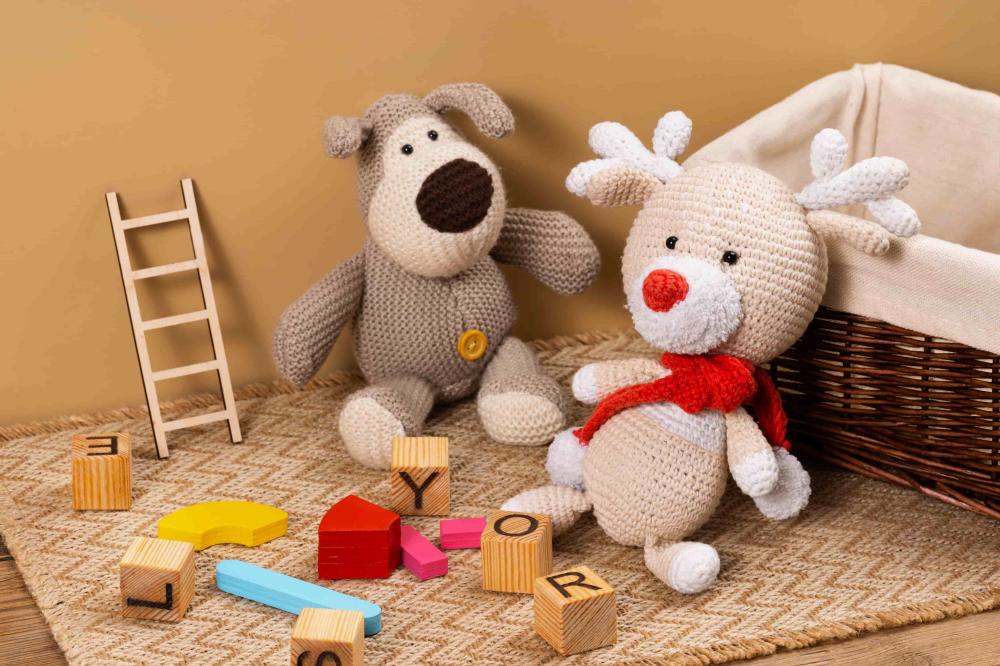
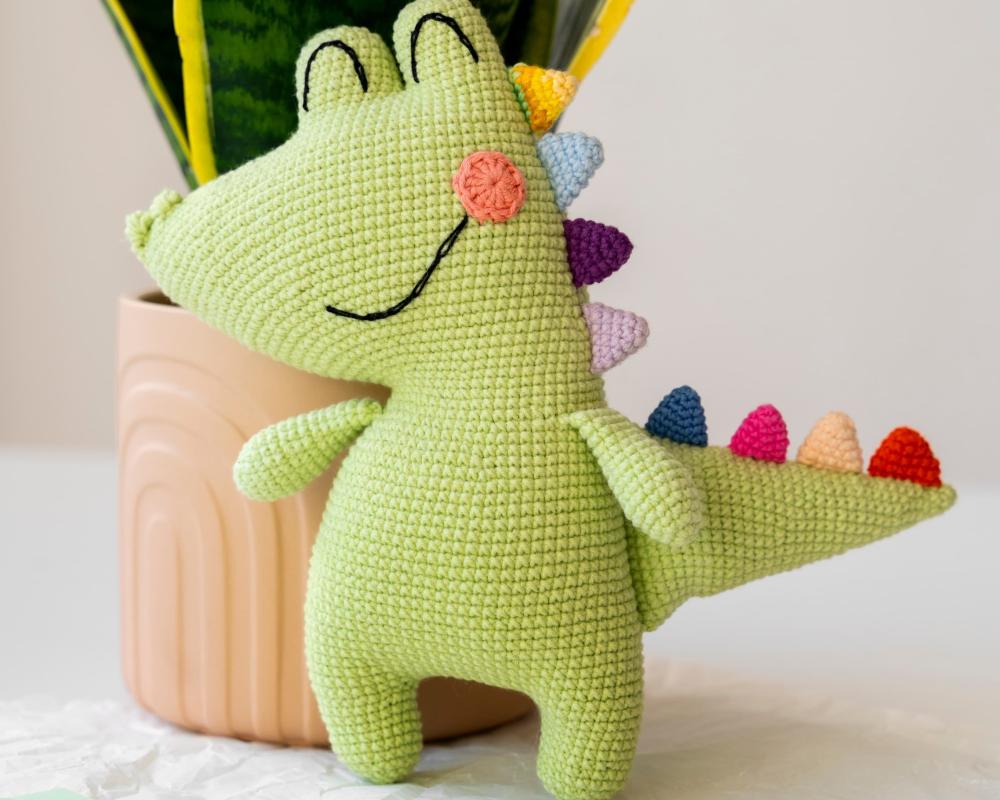
Does he like animals? Consider crocheted rabbits or a toy animal set.
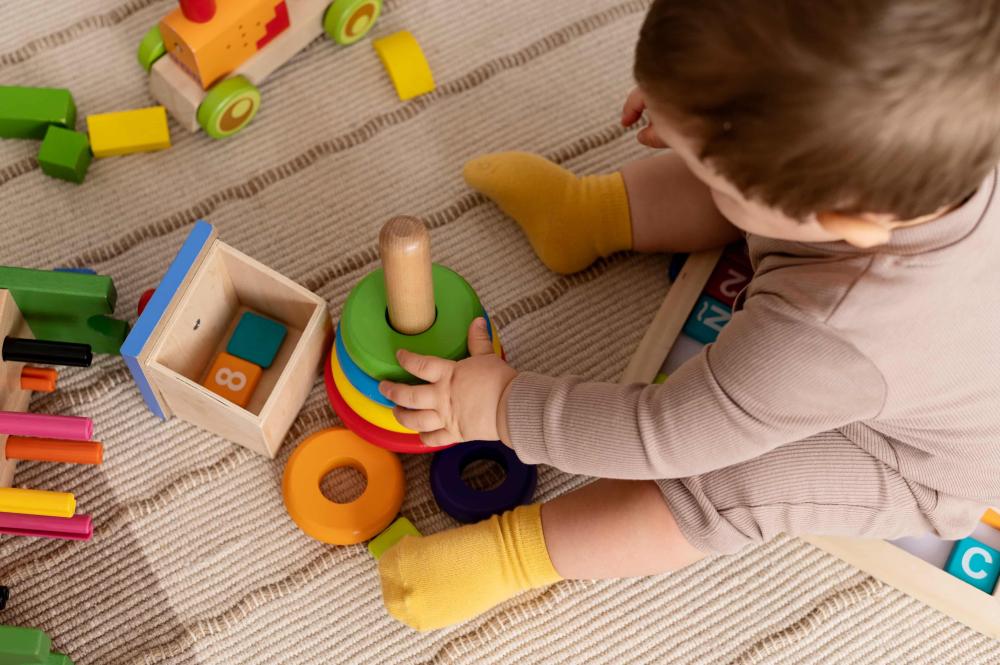
Does he enjoy challenges and puzzles? Educational toys like wooden blocks or building blocks are ideal. 3. Choosing Safe and Child-Friendly Toys: Safety is the most important factor when choosing toys:
Make sure the materials are non-toxic and free of harmful plastics.
Avoid toys with small parts for children under three years old.
Check the build quality and durability to avoid breakage or sharp edges.
4. Educational vs. Recreational Toys: Toys can be divided into two main types:
Educational: such as building blocks, toys that teach colors and numbers, or toys that develop thinking and creativity skills.
Recreational: such as wooden cars, crocheted bunnies, or soft toys that provide fun and movement.
It's best to combine both types to provide a complete play experience.
5. Consider Toy Size and Storage Ease:
Large toys may be fun, but they require storage space.
Small toys like wooden cars and building blocks are easy to store and fit in small children's rooms.
6. Encouraging Group Play: Some toys, such as play sets or educational toys, can be played with friends or family members, promoting social interaction and cooperation skills. In conclusion, choosing the right toy for your child's age isn't difficult if you focus on: the recommended age, your child's interests, safety, and the type of toy. Toys aren't just a form of entertainment; they're a tool for developing your child's mental, motor, and social skills. By making the right choice, you can ensure your child enjoys playing and learns from it simultaneously