
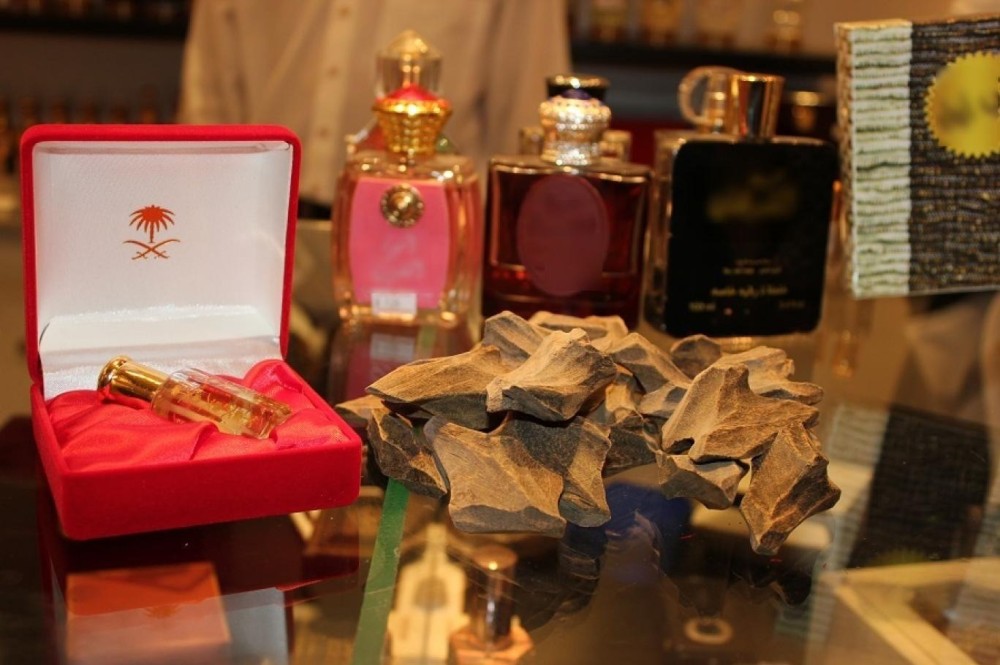
Oud has a special place in the hearts of its lovers in the Gulf, for reasons related to the originality of its extracts, which are unmatched by any other oriental perfume, and its connection to customs, traditions, and cultural heritage. Oud remained present in all seasons, scenting social rituals and dispersing its fragrance among the breezes. From the beginning of his story, when he came to the Arabian Peninsula on the caravans of Khosrau Anushirvan, he left traces of his perfume, incense, and aged oil on the incense trail, which turned from history into a global commercial project.
The juice of time
Where it is found in East Asia, one can imagine the weather in which the evergreen agarwood tree grows, the predominant type of which reaches a height of about 20 meters. After rain falls in the dense agarwood forests and its showers are scattered, the smell comes to you and fills the atmosphere of the place. Oud, a type of precious wood with its distinctive scent, grows in these forests, and the fragrant substance that is extracted from inside the huge agarwood trees is formed by some types of parasites.
Oud has had many uses and benefits since the dawn of history. The bark of aloes, attached to the bark, was used by kings and monks in ancient times, before paper was made, in their correspondence. The light bark was also used by ancient humans as clothing in the jungle and in the middle of the forests. As for the light white wood, it is used in making beads, rosaries, and a number of accessories.
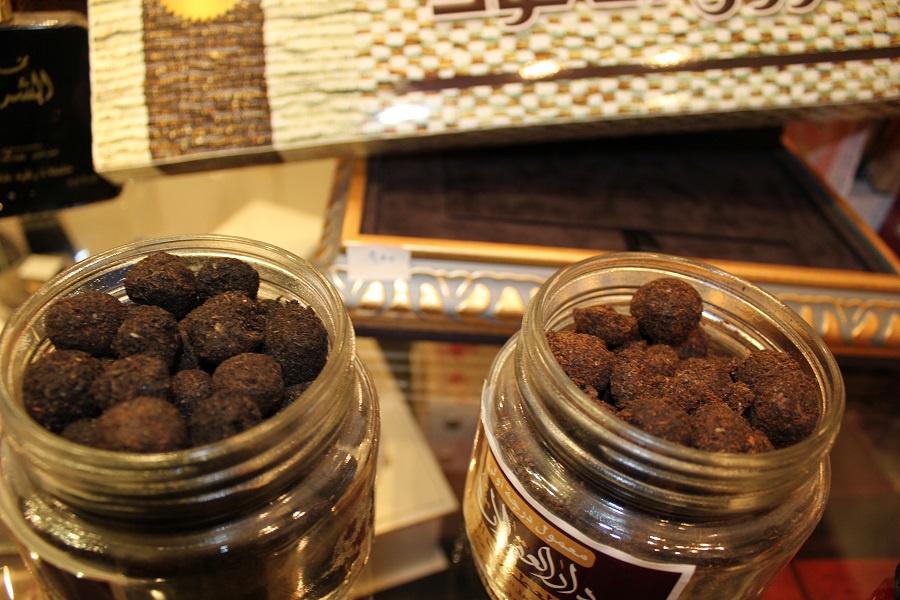 Transforming from history into a global business project:
The finest type of oud is the Mandali, named after Mandal, which is an Indian town, and the finest of them is the most solid and the most delicious in taste. In the words of Omar bin Abi Rabi’ah: “For someone who has a fire near the house before dawn that does not go out. When it is kindled, a wet mandal is thrown over it.”
Among other types of oud, in addition to Indian, there is Cambodian, which comes from Cambodia and is widely popular in the Gulf countries, and there is Al-Iryani, which comes from Indonesia and is characterized by its calm scent. Also from Indonesia comes the Clementan agarwood, which is characterized by the density and stability of its incense. As for Malaysian oud, it has an attractive scent.
Oud oil is extracted from the peels surrounding the agarwood. It goes through complex stages of preparation, distillation, and filtration to produce the first, second, and third grades of oud oil, then the oud water and the evaporated and processed oud oil composed of the remaining peels from the previous processes.
A return and a past that returns
Oud perfume is linked to history, man’s connection to the land that gave birth to him and to which he returns. As it is said, “A return and a past that returns,” it expresses this connection with nature when it overwhelms a person with its abundance, releasing its dew, a fragrance and a delicious scent that travels with him wherever he goes, without being restricted by geography or borders. Studies have proven the ancient age of the agarwood tree, and have also proven that it cannot be transported for cultivation in soil and climate other than the one in which it grows in the Indian subcontinent. The people of that region discovered this tree when he used it for heating, and its fragrance emanated, which excited him, just as it stimulated the pioneers of Islamic preaching who set off from the Arabian Peninsula there, thus beginning the migration to the land of Oud.
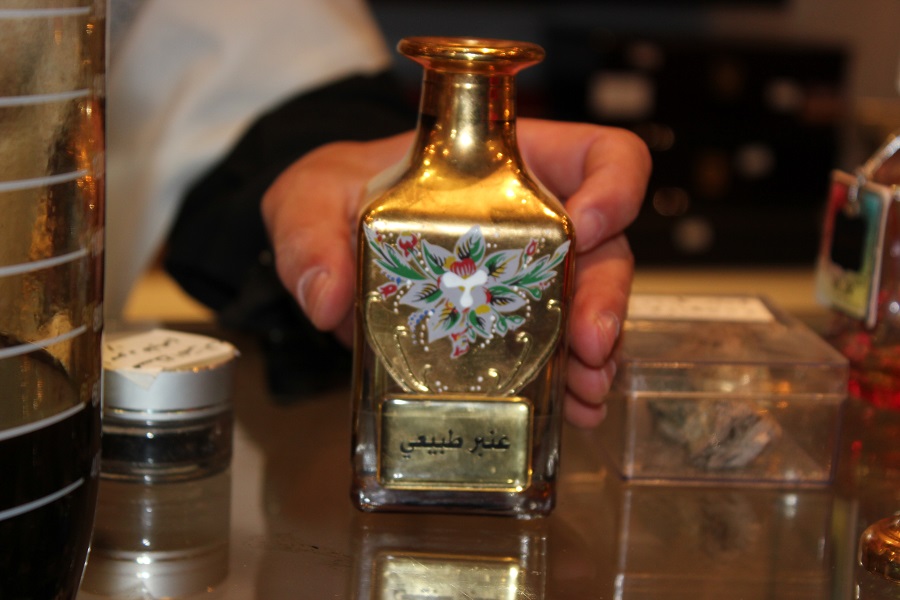 Oud has a special place in the hearts of its lovers:
In the history of the Arabian Peninsula, the markets were seasonal. As soon as the Dumat al-Jandal market, which is currently located within the Al-Jawf region in northern Saudi Arabia and on the borders of the Levant, was closed, another market would begin, the Hajar market in Bahrain, and in its connection with Persia and India, perfume would come loaded on bags. The caravans of Khosrau Anushirwan, the most important of which was the oud, returned full of goods and dates. Let us not forget the fame of Mecca for its perfumes, and Souq Okaz, which was famous for its expensive perfumes and perfumes. This reflects the Arabs’ passion for perfumes and their adoption of its trade as their profession.
Incense trail:
Arab traders from the Arabian Peninsula began their search for oud in the forests of East Asia, from the forests of Indonesia, Malaysia, and Thailand. The names of oud are attributed to the name of the forests in which it is grown. After the caravans of Khosrau, their caravans began their journey in search of aloes, until the route these caravans took was called the “Incense Trail,” and what is meant by incense is the oud and nothing else.
The path of oud and its trade is not taken by any passer-by in the field of perfume trade. This profession has respectful origins, as it is passed down through generations, families, and Saudi names that shined in the skies of trade and were able to write their names in letters of light.
Alodi aroma:
The Hajj season is considered one of the seasons in which the rate of oud sales increases. Mecca and Medina enjoy a great demand for oud and a growing demand for its derivatives of oil and incense. The demand for it also increases during the Ramadan season, holidays, and vacations, especially summer vacations, when marriages and various occasions abound.
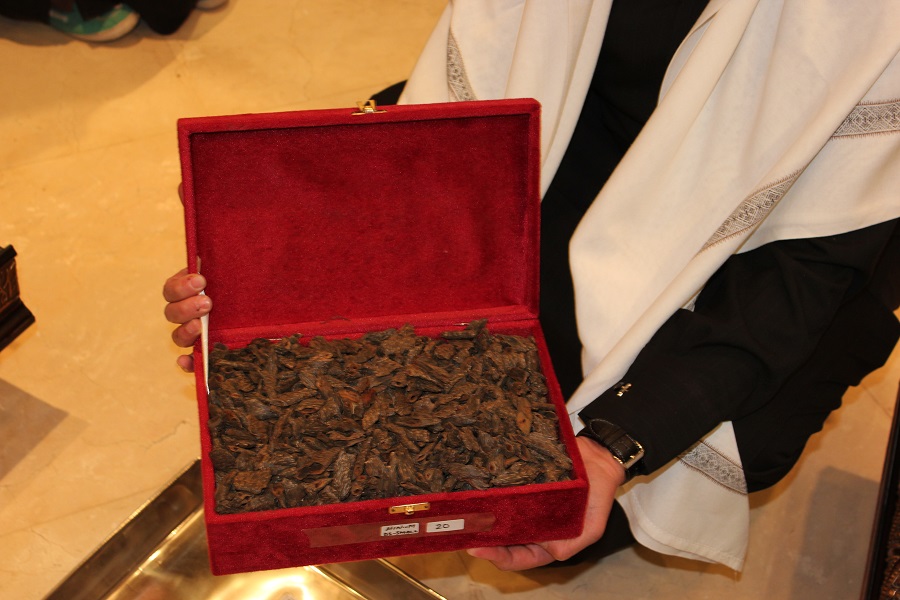
The agarwood tree is evergreen and reaches a height of about 20 meters:
As for the current perfume markets in the Kingdom of Saudi Arabia, they have dedicated stores dedicated to oud, the patrons of which are famous for their long-standing love of oud. The Saudis’ desire for perfumes, incense, and perfumes has been known throughout the ages, and their perfuming is one of the ancient customs that they do not skimp on themselves as well as on their visitors on happy occasions and holidays. During visits, after the guest has consumed food, tea, and coffee, it is the turn of the oud to conclude the visit as a ritual that the community adheres to in their social customs and heritage, which is full of all that is beautiful.
Shatha Al Oud Mixes:
Among the oriental perfumes that belong to the plant family, oud is distinguished by its fragrant scent, and has remained throughout the ages at the forefront of oriental perfumes extracted from nature, its plants and animals, such as musk, amber, myrrh, and honeydew. Whenever these types are mentioned, their fragrance overflows, and their strength increases if they are mixed together to complement each other. As for oud, the more it is used concentrated and aged, the more it is an indication of the position it occupies in the hearts of its lovers who are not satisfied with it as an alternative. This does not prevent mixing it with types close to it in origin, such as sandalwood, amber, saffron, and musk, and this type is called mukhtalat. The aromatic scent of oud is found in the tree’s essential oil, which is extracted from the bark, which is the basic part of oud oil, and this is done in several ways: pressing, melting, and distillation.
health benefits:
From a health and therapeutic standpoint, the Saudis believe in the widespread information about its benefits in folk medicine, as its fat is used to treat a number of skin diseases. It is also used to treat headaches, back and joint pain. It is believed to calm the nerves and reduce cases of stress and anxiety. This is based on what was narrated on the authority of Ibn Sina, who said, “The perfume of aloes strengthens the nerves, benefits them, benefits the brain, and strengthens the senses, heart, stomach, and liver.” Likewise, Ibn al-Qayyim said, “The oud opens the obstruction, strengthens the viscera, benefits the brain, strengthens the senses, holds the stomach, and protects against urinary incontinence resulting from a cold bladder.” Among the uses of agarwood, some of them soak it, drink its water, or inhale it to treat many diseases, including gout and rheumatism, believing that it is a general tonic.
Saudi Arabia is the largest market in the world:
The oud trade in Saudi Arabia is witnessing continuous development, reflected in the services accompanying promotional campaigns. Recently, many exhibitions have been held that reflect the spirit of competition between the many oud companies, especially since the Kingdom consumes approximately 65 percent of the size of the global oud market. The General Authority of Saudi Customs revealed that the country’s imports of agarwood (incense) amounted to 861 kilograms during the year 2018, with a financial value of 113 million riyals ($30 million). Saudi Arabia’s imports of oud oil in 2018 amounted to 14,569 kilograms, with a financial value of 38 million riyals ($10 million).
Oud was and still is a great place in Saudi Arabia due to its breathtaking natural beauty, drawn from the stories of civilizations and history, and its authenticity, which is enhanced by good burning, so that it occupies a special position as master of the perfumes of the East.