
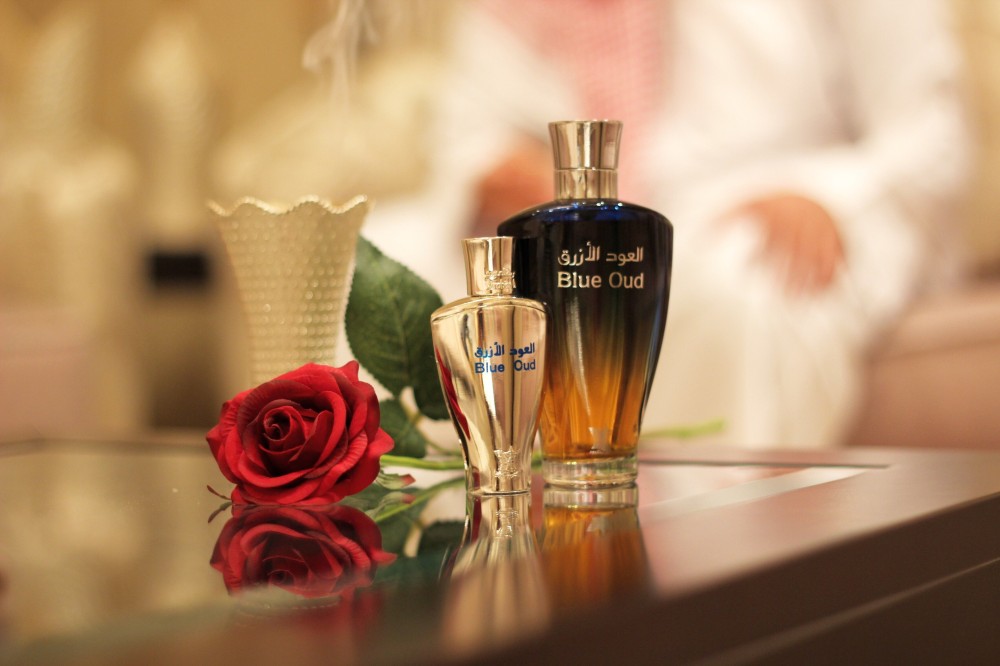
Arabic perfume is a type of perfume that has been highly regarded for centuries due to its unique and complex scents. Made from a blend of natural ingredients such as flower petals, wood and resin, these perfumes have the ability to transport the wearer to a different place and time. In this blog, we will explore the history, composition and ingredients of Arabic perfumes, as well as tips on how to use them
What are the ingredients of the best Arabic perfumes:
Arab traditions played an important role in the development of perfumery, as woods, spices, resins, herbs, or also animal essential oils such as amber or musk are among the raw materials that the Arab perfumery industry has traditionally used to produce distinctive scents. In addition, there are ingredients that were common in Arabic perfumes, such as flowers and plants such as rose, jasmine, and orange blossoms.
Arabic perfumes have been widely used in Islamic culture since ancient times, as they have been closely linked to it. Their first use dates back to the sixth century, where many families in the Gulf region prepare what is called incense, which is used to purify their homes, and each family had its own perfume scent. It can mix musk, amber, sugar, etc. to obtain a homogeneous mixture of the previous ingredients and dry it in the sun to obtain a mass. The mass is broken into smaller pieces and then burned, producing smoke that perfumes the entire room.
History of Arabic perfumes:
The history of Arab perfumes goes back to ancient times, where perfume was first developed by the Arab peoples, and was of high value and used for important purposes, whether personal or religious. The ancient Egyptians, Arabs and Persians were known for their intense love of perfumes and their use as personal care or as elegant and luxurious gifts for presidents.
The Arab world became a major center for perfume production and trade during the Middle Ages. One of the most famous cities that was famous for its perfume industry was Baghdad, which was a major center for trade.
After that, it gradually spread to other cities, and Arab perfume factories began importing raw materials, such as aromatic plants and spices from India, East Africa, and Southeast Asia, and distilling them to produce unique scents.
The perfume industry has witnessed remarkable development over the generations, and perfume making is still a traditional art in many places such as North Africa and the Middle East. Even now, natural ingredients and traditional techniques receive great attention in the Arab world and are considered one of the most important things that express their historical heritage. Today the perfume industry is widely used using these methods, and Arabic perfumes are considered among the most authentic and high-quality perfumes in the world compared to other types of perfumes.
Arabic perfumes have become a symbol of luxury, sophistication and attractiveness, which has gained them wide fame around the world. Which led to the emergence of many perfumers who professionally create perfumes using traditional methods but with a contemporary touch. This led to a wonderful and distinct blend that cannot be found in Western countries, and the beginning of the birth of a new era of authentic, traditional and contemporary Arabic perfumes.at the same time.
Arabic perfume compositions:
What about the ingredients of Arabic perfumes? Arabic perfumes contain base notes such as oud, rose, saffron and sandalwood.
Oud:
This oud is extracted from the resinous heartwood of the agar tree, from which wood infected with fungi is extracted, then produces oil, and as this infection grows, this leads to the formation of a dark-colored resin. The resin is distilled to obtain pure agarwood oil.
Roses:
Roses are among the basic components of Arab perfumes. They are widely used in the perfume industry, such as the Damascus rose, which comes from Persia and was then transported to Syria and then to Europe. This rose blooms in only 30 days every year, and its leaves are picked to extract the oil used in Make perfumes separately, away from sunlight, because high temperatures may affect them, causing the flowers to lose their essential oils.
Saffron:
Saffron is multi-use as it is used for different purposes, such as using it in perfumery or cooking, and this is done after drying it. Saffron is the most expensive spice by weight. It is currently produced in many countries such as India, Iran, Morocco, Spain, Greece, Azerbaijan and Italy. This spice is widely used in Indian perfumery as well as in the Middle East, and currently also in Western perfumery.
Sandalwood:
Sandalwood is one of the components of Arabic perfumes. This wood comes from the Santalum tree. It has been used in perfumery since the last century. Sandalwood has also played an important role in religious uses. It is also used in Chinese medicine because of its healing properties.
What distinguishes Arab perfumes from Western perfumes is the main feature of their strong scent and different ingredients. Arab perfumes are usually more intense and powerful, as a result of culture, but now there are some new ingredients in the perfume industry such as honey, chocolate, or vanilla.
Middle Eastern scent composition:
Middle Eastern scents, also known as Arabic perfumes or attars, are highly prized for their unique and complex aroma. These fragrances are made from a blend of natural ingredients such as essential oils, which have been carefully selected for their signature fragrance and blended together to create a long-lasting scent. In this blog, we will explore the makeup of perfumers and what makes them so special.
The above can be limited to flowers, herbs and spices, which are one of the basic components of any Arabic perfume. These ingredients are sourced from all over the world and are known for their unique aroma and healing properties. They are used through distillation to extract essential oils which are combined with other ingredients to create the final scent. The use of natural ingredients gives the perfume notes that cannot be found in other types of perfumes.
Technical process in Arabic perfume ingredients:
One of the necessary processes in extracting these components that we mentioned previously is the process of purification or distillation, which consists of separating a liquid mixture into its various components by heating it and then cooling it. This process allows perfumers and perfume users to extract essential oils from ingredients in a way that preserves their natural scents, producing a natural perfume that has a strong and pure scent as well.
The perfume industry is passed down through generations in the Middle East. It is one of the industries that many prefer as an industry that expresses culture. This ancient history of perfumery plays an important role in its originality and the strength of its scents, which has become a symbol and reflection of the cultural heritage.
Arabic perfumes aim not only to smell good, but also to have elegance and beauty when used. They are often used to enhance the mood, create a refreshing and inviting atmosphere, and also evoke memories of a particular place or time.
Tips for using Arabic perfumes:
There must be a balance when using Arabic perfumes, meaning that Arabic scents are stronger and more stable than other types of perfumes, so a little is enough. It is best to apply a small amount to pulse points such as the wrists, behind the ears, and behind the knee. These are areas where the heat is strong, which helps the perfume spread faster throughout the body.
When using Arabic perfumes, you should avoid other products used to perfume, such as perfumed body lotion or shower gel.