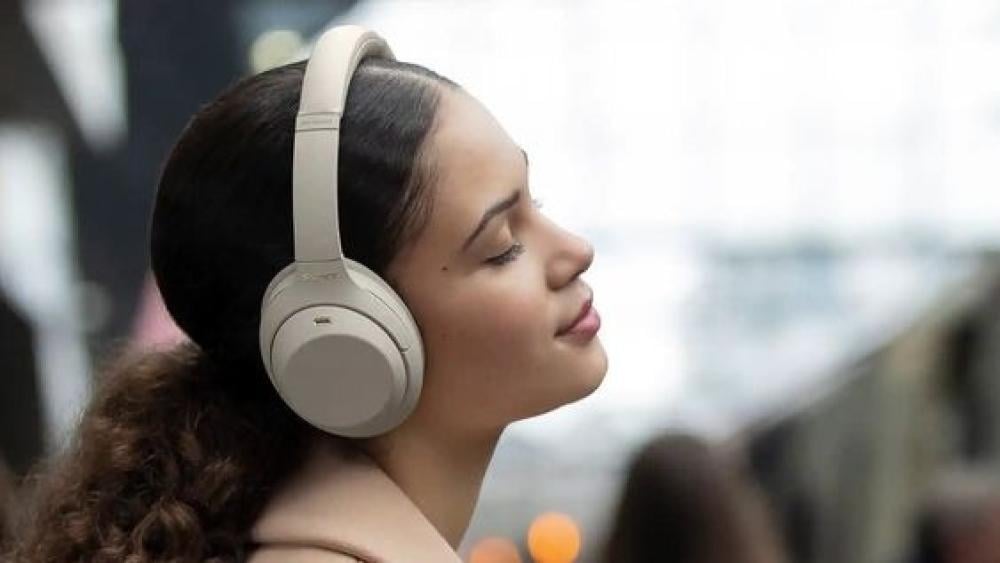

Smart devices have become an integral part of our daily lives. They not only help us perform tasks quickly but also change the way we think and interact with the world around us. From smartphones and smartwatches to tablets and smart home devices, our daily lives have become heavily reliant on this technology, making access to information, entertainment, and work easier and more efficient. These devices facilitate social interaction and communication with others, whether through calls, text messages, or various video applications. We can now stay in constant contact with friends and family, even if they are far apart, reducing geographical barriers and making the world feel smaller and closer. Smart devices have also enabled remote learning and work, allowing us to easily attend classes or meetings without commuting, thus boosting productivity and saving time. In addition to work and education, smart devices play a significant role in entertainment and leisure activities. Smart TVs, gaming consoles, wireless headphones, and even specialized music and video apps make leisure time an enjoyable and feature-rich experience. It also contributes to improving lifestyle through health and fitness apps that track physical activity, sleep, and heart rate, helping users adopt a healthier lifestyle. With all these advantages comes the importance of balanced use of smart devices. Excessive screen time can negatively impact sleep, concentration, and real-life social interaction, so it's essential to regulate usage and engage in regular physical and social activities to ensure a balance between digital and real life. Ultimately, smart devices have proven to be more than just technological tools; they are essential elements that change our daily habits and reshape our lifestyles. With thoughtful and balanced use, these devices can boost productivity, facilitate communication, and add real value to our lives, becoming a smart and effective part of our daily routines.
How smart devices are changing our lifestyles and daily habits
26 April 2026